If you are new to escape rooms, one of the first questions people ask is what kind of puzzles they will actually be solving inside the room. Movies and social media clips often make escape rooms look intense or overly complicated, but the reality is more balanced and much more approachable.
Most escape rooms are built around a mix of puzzle types rather than one single style. This variety is intentional. Different people think differently, and a good escape room experience gives everyone a chance to contribute. Some players notice small details, others enjoy logic problems, and some thrive when interacting with physical elements in the room.
This guide breaks down the most common escape room puzzle types and explains how they work together to create a fun and immersive experience.
Why Escape Rooms Use Different Types of Puzzles
Escape rooms are designed to be solved by groups, not individuals. Even rooms built for two players rely on collaboration and shared discovery. Using multiple puzzle styles ensures that no single skill set dominates the game.
Variety keeps the experience engaging from start to finish. Searching puzzles create momentum early on. Logic and code puzzles slow things down in a good way and encourage discussion. Physical and interactive elements bring energy back into the room when players need a shift in pace.
Puzzle variety also reduces frustration. When one puzzle feels challenging, players can often switch focus to something else. This prevents the experience from stalling and keeps teams moving forward.
At their best, escape room puzzles are not about tricking players. They are about guiding attention, encouraging communication, and creating satisfying moments of insight.
Hidden Object and Search-Based Puzzles
Hidden object puzzles are often the first challenge players encounter. These puzzles require careful observation and thorough searching of the room. Keys, tools, or clues may be tucked inside drawers, behind movable objects, or incorporated into the environment in subtle ways.
These puzzles reward curiosity and attention to detail. They teach players to look beyond the obvious and to treat the room itself as part of the game. Successful teams communicate what they find and avoid holding onto items without sharing.
Search-based puzzles are rarely difficult on their own, but they set the tone for the entire experience. They encourage exploration and help players understand how the room communicates information.
Good design ensures that nothing is hidden unfairly. Items are discoverable through logical searching rather than random guesswork. This keeps the experience fun rather than frustrating.
Logic Riddles and Number-Based Challenges
Logic puzzles and riddles form the backbone of many escape rooms. These challenges ask players to make connections, interpret clues, and apply reasoning to reach a solution.
Riddles may involve wordplay or simple deduction. Logic puzzles often require players to process information gathered from different parts of the room. The goal is not to test intelligence but to encourage thoughtful problem-solving.
Number-based puzzles are also common and are often misunderstood. These challenges rarely involve advanced math. Instead, they rely on patterns, sequences, ordering, or simple calculations. Most of the difficulty comes from identifying what numbers matter and how they relate to the puzzle.
These puzzles shine when players talk through ideas out loud. One person may notice a detail that makes the entire solution click. This shared moment of understanding is one of the most satisfying parts of an escape room experience.
Codes, Ciphers, and Pattern Recognition
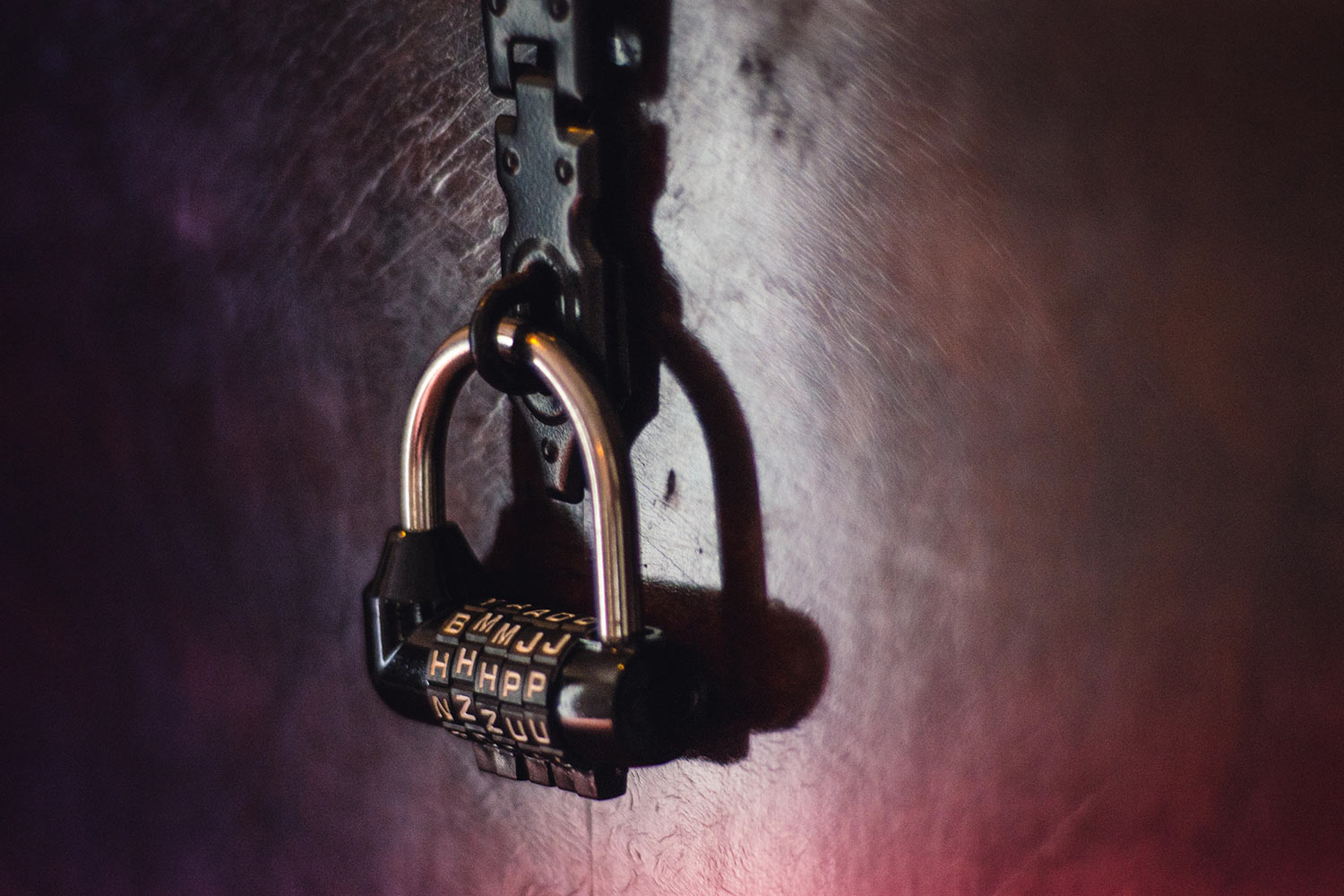
Coded messages are a classic escape room element. Players may encounter symbols, letters, colours, or unfamiliar markings that need to be translated into something meaningful.
Common cipher styles include substitution methods, symbol matching, and simple encoding systems. Pattern recognition puzzles ask players to identify repetition, order, or relationships between elements in the room.
These puzzles reward patience and collaboration. One player might focus on decoding while another gathers missing information from elsewhere in the room. Together, the pieces form a complete solution.
Well-designed code puzzles always provide the information needed to solve them inside the room. Guessing is discouraged. Instead, players are guided toward logical interpretation through consistent design cues.
Pattern-based challenges also help players build confidence. Once a team solves one pattern, they often recognize similar structures later in the game.
Physical Interactive and Audio Visual Puzzles
Escape rooms are not purely mental experiences. Physical and interactive puzzles add movement and energy to the game. These challenges may involve assembling objects, manipulating mechanisms, or placing items in the correct configuration.
Physical puzzles are designed to be accessible. They rarely require strength or athletic ability. Instead, they focus on coordination, spatial awareness, and teamwork.
Audio and visual puzzles use sound, light, or video to convey information. Players might listen for audio cues, watch short clips, or observe changes in lighting to uncover clues. These elements enhance immersion and make the room feel alive.
Interactive puzzles help break up periods of intense thinking. They re-engage players and often lead to moments of excitement when something activates or responds to player input.
How Puzzle Design Shapes the Escape Ops Experience
At Escape Ops in Calgary, puzzle design is treated as a craft. Each room is built to feel authentic and intentional rather than crowded with random challenges.
If you are trying an escape room for the first time, it helps to know that no single puzzle type defines success. You do not need to be good at math or riddles to enjoy the experience. The best approach is curiosity and communication. Share what you see. Talk through ideas. Treat every puzzle as a group challenge rather than an individual test.
For players in Calgary looking to understand what escape rooms are really like, knowing the puzzle types helps set expectations. The real fun comes from discovering how those puzzles come together inside the room.
Ready to see if you have what it takes to escape? Book your session and start your adventure.